About
Biography
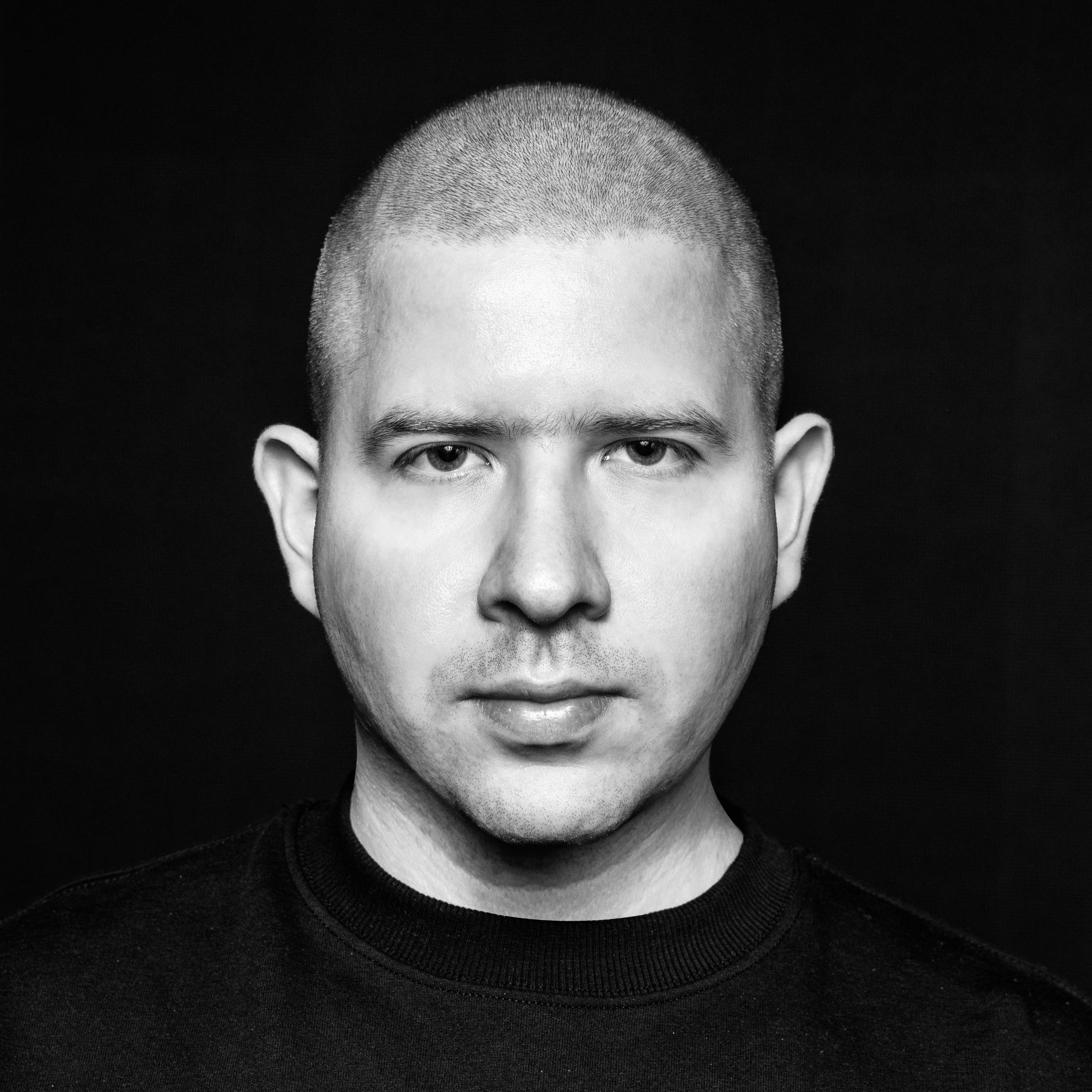
Kerem Ergener is an electronic music composer and multimedia artist known for his architectural approach to sound, melding minimal, glitch-driven electronics with spatial audio, light, and atmosphere to create immersive performances and installations. His artistic output and research interests focus on embodiment through sound and the phenomenology of atmosphere — shaping space and place by developing holophonic and immersive listening experiences through Wave Field Synthesis (WFS), and advancing the democratization of music-making through live coding.
He earned his undergraduate degree in Mechatronics Engineering at Bahçeşehir University, where he helped establish the BAU Stanford Robotics Research Project Laboratory and conducted research on advanced robotics applications. He continued his graduate education at Istanbul Technical University MIAM, receiving his Master of Arts in Sonic Arts. From 2019 to 2022 he lived in Bangkok, Thailand, where he served as a lecturer at King Mongkut's Institute of Technology Ladkrabang, Institute of Music Science and Engineering.
He received his Ph.D. in Experimental Music and Digital Media at Louisiana State University, with a graduate minor in Architecture, studying electronic music and composition with Reuben de Lautour, Jeremy Woodruff, Brian Raphael Nabors, Jesse Allison, and Stephen David Beck. He founded the label Le Horla Records in 2016 to bring unheard avant-garde and experimental sounds to listeners, and has been featured on numerous compilations, including the Music from SEAMUS series, releasing solo work under his name and the pseudonym Le Horla.
His works have been performed internationally in concerts and conferences, including Electric LaTex, SEAMUS, and the International Computer Music Conference (ICMC). He was honored with the American Prize Ernst Bacon Memorial Award for his visual work for David Walters' Makrológos. In Fall 2026, he will join the School of Performing Arts at Virginia Tech as Assistant Professor of Music Technology.
FAQ
Q1What is the philosophy behind the work?+
Q2What is the relationship with architecture?+
Q3What are the artistic influences?+
Q4What is the area of research?+
Q5How can I perform one of the works?+
Q6How should I approach Kerem's music if I don't have any prior knowledge of it?+
Q7What should I listen to first?+
Professional Experience
Assistant Professor of Music Technology
Virginia Tech, School of Performing Arts — incoming Fall 2026
Graduate Assistant
Louisiana State University
Tenure-Track Lecturer
King Mongkut's Institute of Technology Ladkrabang, Institute of Music Science and Engineering, Bangkok
Founder & Head of Production
Le Horla Records, Istanbul
Education
Ph.D. — Experimental Music & Digital Media (Major), Architecture (Minor)
Louisiana State University, USA
M.A. — Music / Sonic Arts
Istanbul Technical University, MIAM, Turkey
B.Sc. — Mechatronics Engineering
Bahçeşehir University, Turkey
Baccalauréat — Scientific Track
Izmir Saint Joseph French High School, Turkey
Teaching
Virginia Tech, School of Performing Arts
Building the music technology curriculum
- MUS2014 - AI in Music
- MUS3064 - Digital Sound Manipulation
Louisiana State University
- Intro to Computer Music
- Music Technology
- EMDM Ensemble — Laptop Orchestra of Louisiana (LoLs)
King Mongkut's Institute of Technology Ladkrabang, Institute of Music Science and Engineering
- Multimedia Engineering
- Sound for Games
- Computer-Assisted Composition
- Artificial Intelligence
- Selected Topics in Music Engineering & Multimedia
- Electronic Music History
Testimonials
“The swelling tones and glitchy textures were layered with the voices to create a unique sound not often heard in choral concerts. Kerem is a true artist — amazed at how he manipulated the sounds of the choir while playing them back live on stage, seconds after recording them.”
Dr. David Walters — Composer“Kerem's music is always entertaining, but beyond that he has a wonderful ability to collaborate with other musicians, playing to their strengths while always maintaining his own distinctive voice.”
Dr. Treya Nash — Composer“A force to be reckoned with in the electronic music space. His creations come from a place of deep technical knowledge, but his performance aesthetic shows a vulnerable earthiness akin to an intimate DJ set.”
Kasey Ball — Jazz trumpeter“I came away more impressed than a lot of the ambient releases I've heard this year. I highly anticipate whatever direction Le Horla goes in next.”
Ajirak review — RYM“Sonicscapes that span both the dimensions of space and culture.”
Conrad Foreman — Composer